

We look up and see a universe vastly unexplored and minimally understood. What manner of technology would we need to traverse the awe-inspiring expanse of the cosmos?
Considering the advanced technologies that are created to safeguard our planet, space and defence engineering enjoys a unique and complex landscape. Let’s go where few bloggers have gone before and explore the considerations that shape this critical area of innovation.
The Harsh Environment:
We often misinterpret space. We know you can’t breathe, and there is no gravity, but surely, we don’t have to worry about water ingress, or severe turbulence. Isn’t it all just smooth? Well, yes, and no. It’s just not quite that simple.
Both space and defence applications must endure harsh environments. Spacecraft content with extreme temperatures, radiation, and the vacuum of space. Similarly, military equipment faces scorching deserts, freezing arctic wastelands, and the electromagnetic interference of battle. Designs must be meticulously tested to ensure they remain operational under demanding conditions.

Reliability and Redundancy:
When going where nobody can hear you scream or deploying on the front line; there’s no room for any error. A simple mishap may lead to catastrophic life loss, so every component needs to be meticulously chosen and tested with voracious rigor. Reliability is paramount.
Redundancy often plays a crucial role, with backup systems in place to ensure mission success even when faced with unexpected failures.

Weight and Size Constraints:
Every single gram counts. In space, the cost of launching payloads into orbit dictates a relentless pursuit of lightweight materials and compact designs. Similarly, many defence applications also have weight and size limitations, particularly for the equipment soldiers carry.
Weight considerations and constraints need to be considered for aircraft with specific payload capacities. Innovation is tantamount to success, and engineers must constantly seek solutions to optimise weight whilst maintaining peak functionality.
One area where innovative engineering solutions bridge the gap between space and defence is in the development of overmoulded connectors. These connectors feature sensitive electrical components encased within a robust, environmentally sealed housing. This combination provides crucial protection against the harsh conditions of both Space and Defence environments.
Click Connect offer several advantages:
Enhanced Ingress Protection: They are resistant to dust, moisture, and other contaminants, crucial for both space and defence applications.
Improved Mechanical Strength: The overmoulding provides additional protection against shock, vibration, and extreme temperatures.
Reduced Weight and Size: Modern overmoulding techniques can achieve significant weight and size reductions compared to traditional connector assemblies.
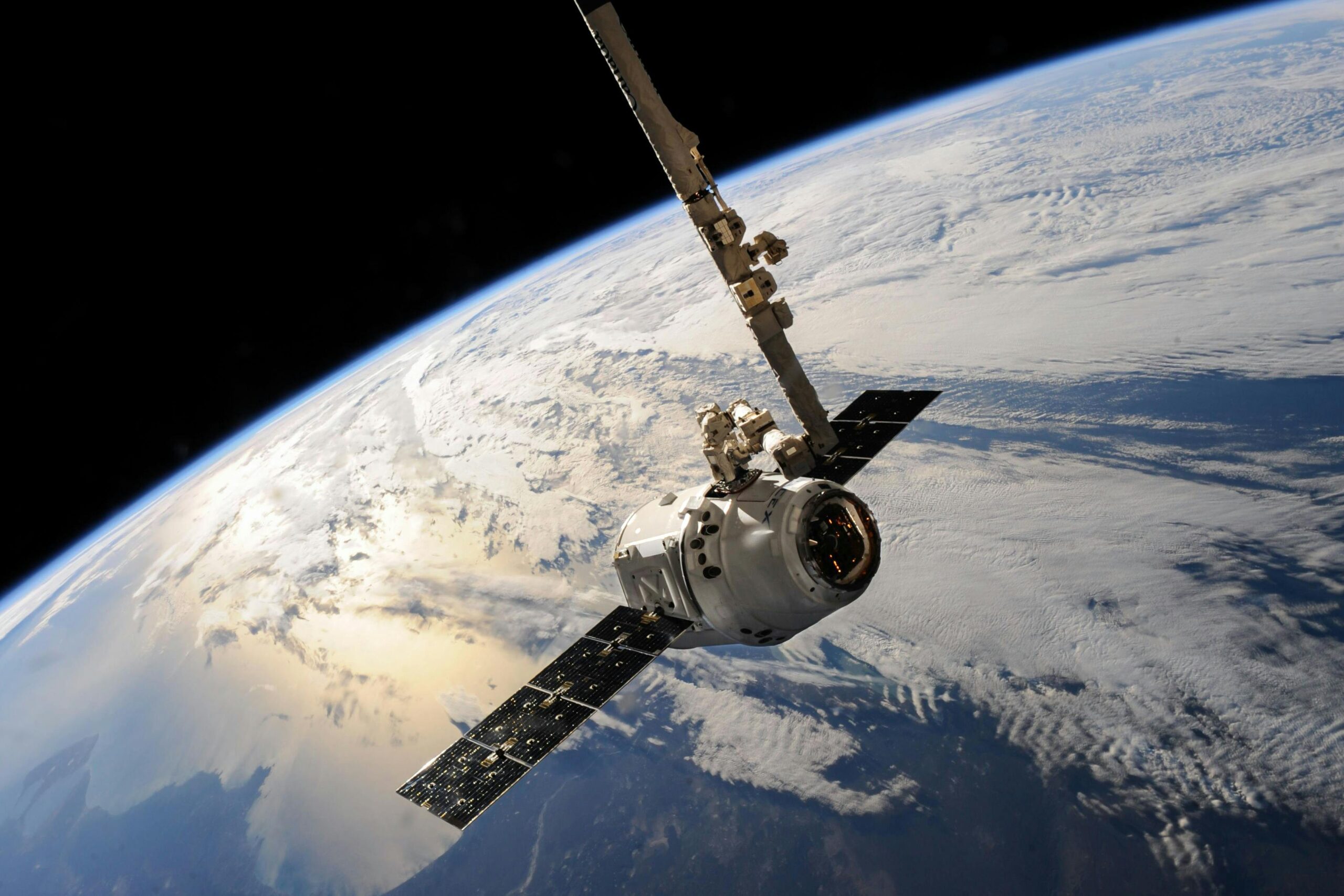
Space age solutions
The industries of Space and Defence Engineering demand cutting edge solutions that can withstand the harshest environments. More importantly, they have to pre-empt the unknown.
By carefully considering factors like extreme conditions, reliability, and weight or size constraints, engineers can develop innovative technologies that push the boundaries of possibility.
As these fields continue to evolve with our understanding of extreme conditions, components and innovative solutions like overmoulded connectors will undoubtedly play a pivotal role. Ensuring the success of future space missions and defence advancements relies upon elegant solutions such as these durable components.
Contact us on +44 (0) 1582 472747 sales@gkservices.co.uk
