

The thing about the various engineering industries, is that they are full of terminology and jargon that might not easily be comprehensible. Who doesn’t love a good acronym or mysterious rating system?
If you have been perusing our website, or the websites of our competitors, you will more than likely have collided with the term “IP Rating”. It is unavoidable. Whilst terms like this are second nature to us, not everyone speaks our language quite the same way.
As it happens, the IP rating of an overmoulded connector is very significant. An engineer looking for the best possible solution will need to understand how the rating works. They signify exactly how resistant a device is against solids and liquids.
Decoding the IP Rating System
The first thing to note is that the IP Rating system is a globally recognised and categorised code. It does not matter which country you are purchasing from or looking to buy for, the connector IP Rating system is a static figure. That’s good news. It means that once you understand the rating system, adjudging the connector’s resilience will be simple.
It will look something like this: IP55S.
Beyond the IP, each digit has a specific meaning. Comprehending each digit’s significance will guide your decision making. These numbers decode the connector’s suitability for the machinery you are protecting. You will be able to find the right connector to suit your project.
Here is how you understand the system.
First digit: Solids
First and foremost, the IP rating alludes to how resistant a component is when protecting the machine against solids. If your equipment is operated or stored within a dusty wood shop, or outside where there are insects and soil, this table till help you understand how protected your technology will be.

Second digit: fluids
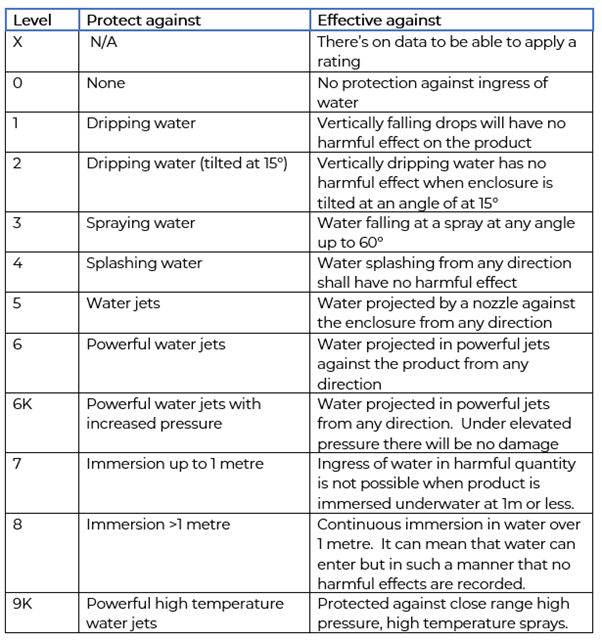
One of the main concerns for overmoulded connector providers, is supplying cables that prevent chemical and water ingress. Much like the solid ratings, the higher the number the better the component protects against ingress.
The second digit, fluids, denotes the component’s suitability to protecting your technology against invasive fluids. If your machinery is outside where there is rain and snow periodically, the necessity for a high rating is greater. This table will guide you in your decision making:
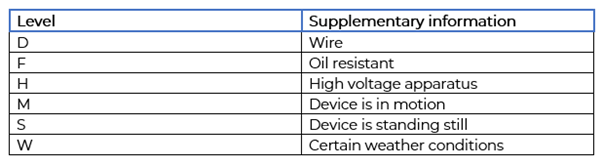
Third Digit: Supplementary information
Fluids and solids make up the majority of threats to machinery in harsh weather or dusty environments. However, there are often other factors that can compromise the integrity of your technology or the connector. You might additional, supplementary, information about the connector’s protective capabilities.
This extra information will help you further determine to suitability of the connector; is it truly fit for your intended purpose?
Feel free to contact us to discuss it further
IP Ratings, when you are used to them are quite simple to understand. The code is designed to help you make the right choice for your machinery to make sure that you can extend its life significantly. However, if you are ever struggling to judge the suitability of a connector for the job at hand we are always happy to help.
Please feel free to explore our website, read other articles, or reach out and contact us. Call 01582 472 747, or email sales@gkservices.co.uk for more information.
